
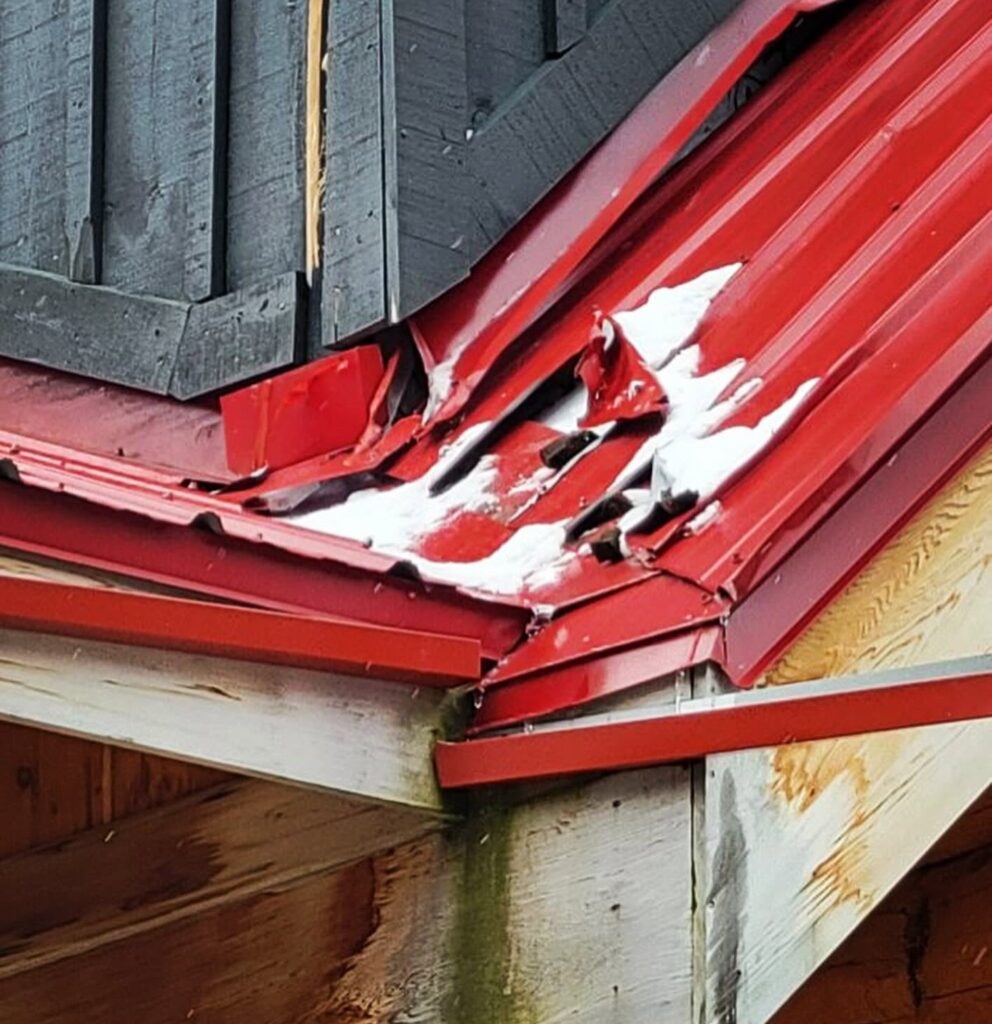
Steel roofing is known for its strength, durability, and ability to withstand demanding weather. However, even a well-built metal roof is not completely maintenance-free. Recognizing when you may need steel roof repair in Port Perry can help prevent a minor defect from turning into interior water damage, damaged insulation, or a more expensive roofing problem.
Homes and cottages in Port Perry face snow, ice, wind, rain, falling branches, and repeated freeze-thaw cycles. Over time, these conditions may affect roofing panels, fasteners, seams, flashing, sealants, and protective coatings.
Home Valued Concepts explains the most common warning signs and when you should arrange a professional roof inspection.
Why Do Steel Roofs in Port Perry Need Repair?
A steel roof is more than a collection of metal panels. It is a complete system that includes underlayment, flashing, fasteners, sealants, ventilation, drainage, and roof penetrations. A problem with any of these components can affect the roof’s performance.
Port Perry’s seasonal weather can place additional stress on this system. Metal naturally expands and contracts as temperatures change. Snow and ice can add weight and interfere with drainage, while high winds may loosen already vulnerable components. Properties near Lake Scugog may also experience increased exposure to wind and moisture.
These conditions do not mean steel roofing is unsuitable for the area. They simply make proper installation, maintenance, and timely repairs important.
What Are the Signs That a Steel Roof Needs Repair?
1. Water Stains, Drips, or Interior Moisture
An active leak is one of the clearest signs that a roof needs attention. However, steel-roof leaks are not always immediately obvious.
Watch for:
- Brown or yellow stains on ceilings and walls
- Damp attic insulation
- Dripping sounds during rain
- Peeling interior paint
- Musty odours
- Unexplained moisture in the attic
The visible stain may not be directly beneath the damaged part of the roof. Water can travel along panels, underlayment, or framing before appearing inside. A professional inspection can trace the moisture back to its likely source.
2. Rust or Corrosion
Steel roofing systems typically have protective coatings designed to resist moisture and corrosion. If that coating becomes scratched, worn, or damaged, the exposed area may become vulnerable to rust.
Possible warning signs include:
- Orange or brown spots
- Flaking or peeling finishes
- Corroded fasteners
- Pitting in the metal
- Rust around seams or roof edges
A small surface mark does not necessarily mean that the roof must be replaced. Localized corrosion may be repairable, but it should be examined before it spreads or weakens the panel.
3. Loose, Lifted, or Misaligned Panels
Steel roofing panels should lie securely in their intended positions. High winds, impact damage, thermal movement, or installation problems may cause panels to shift.
From the ground, you may notice:
- Raised panel edges
- Uneven roof sections
- Gaps between panels
- Bent or warped metal
- Movement during strong winds
A lifted panel can allow wind-driven rain or melting snow beneath the roofing surface. Prompt metal roof repair may prevent moisture from reaching the underlayment and roof deck.
4. Loose or Missing Fasteners
Some steel roofing systems use exposed fasteners. Temperature changes and normal building movement may cause these fasteners to loosen or back out over time.
Warning signs can include missing screws, raised fastener heads, deteriorated washers, corrosion around fastening points, or enlarged holes.
Homeowners should not attempt to inspect these areas by walking on a wet, icy, or damaged roof. Metal surfaces can be slippery, and incorrect replacement fasteners may create additional leaks.
5. Damaged Flashing or Sealant
Flashing helps keep water out of vulnerable locations, including:
- Chimneys
- Skylights
- Valleys
- Vents
- Roof edges
- Wall intersections
- Other roof penetrations
Cracked sealant, displaced flashing, open gaps, or moisture near these areas can indicate a problem. Because many roof leaks begin around penetrations and transitions, flashing should be carefully evaluated during a steel roof inspection.
6. Dents, Scratches, or Punctures
Hail, falling branches, storm debris, tools, and improper foot traffic can damage steel panels.
Some shallow dents may be primarily cosmetic. However, deeper impact damage can affect panel alignment, seams, drainage, or the protective coating. Scratches that expose the underlying metal may also increase the risk of corrosion.
A roofing professional can determine whether the damage affects performance or only appearance.
7. Separating Seams or Visible Gaps
Metal panels expand and contract as outdoor temperatures change. A properly designed roofing system accommodates that movement, but aging materials, failed sealants, installation defects, or damaged connections can allow seams to separate.
Look for open joints, failed sealant, gaps between panels, or changes around roof penetrations. Separating seams should be inspected because they may provide a path for moisture.
8. Unexpected Changes in Indoor Comfort
A sudden increase in heating or cooling costs does not automatically mean the roof is damaged. Nevertheless, moisture-soaked insulation, roof ventilation problems, or gaps in the roofing assembly may contribute to uncomfortable temperatures.
If changes in energy use occur alongside stains, drafts, attic moisture, or visible roof damage, the roof assembly should be included in the investigation.
9. Damage Following a Severe Storm
Not all storm damage is visible from the ground. It is sensible to check for potential problems after high winds, hail, heavy snowfall, ice buildup, or falling branches.
Homeowners can document visible damage from a safe location and check the attic for moisture. A professional inspection may reveal lifted panels, damaged flashing, loose fasteners, punctures, or coating damage that would otherwise go unnoticed.
Should You Repair or Replace a Steel Roof?
A damaged steel roof does not always require complete replacement. Repair may be appropriate when the problem is limited to a small area, such as damaged flashing, failed sealant, loose fasteners, or one affected panel.
Replacement may need to be considered when:
- Corrosion is widespread
- Numerous panels or seams have failed
- Leaks continue after repeated repairs
- The roof deck or structure is damaged
- Large sections have installation defects
- Repairing the existing system is no longer practical
An on-site assessment is the safest way to distinguish an isolated repair from a broader roofing-system problem.
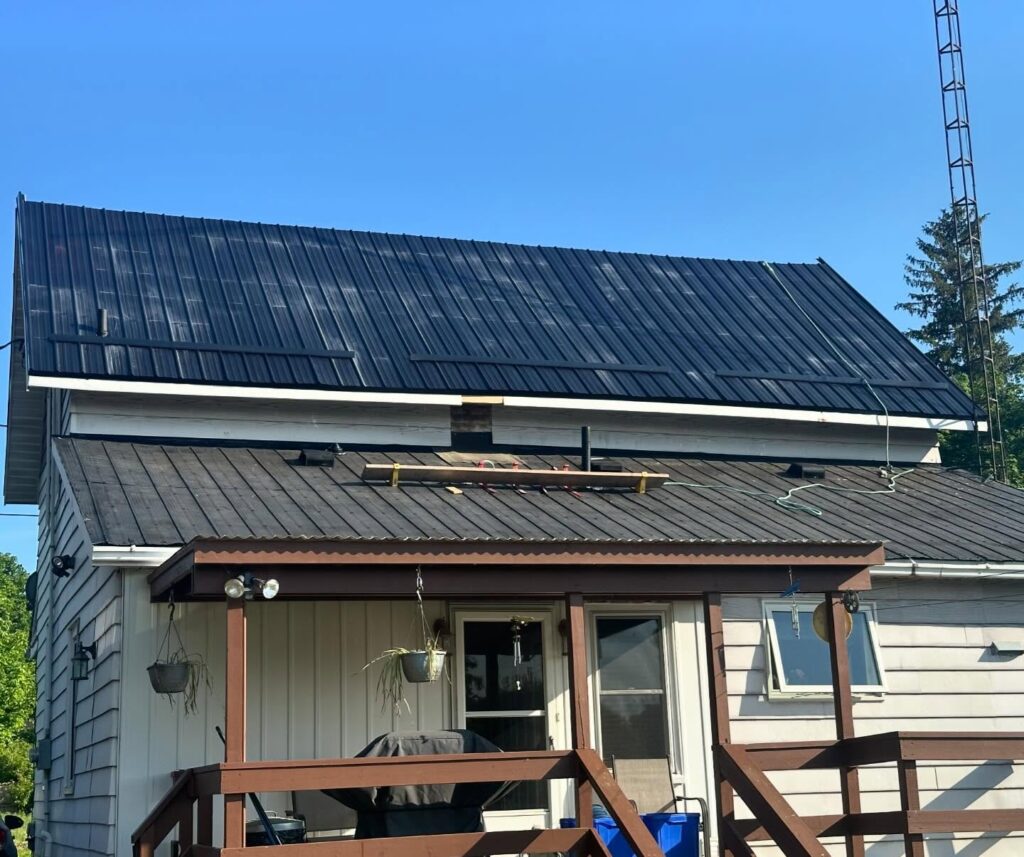
What Should You Do If You Notice Roof Damage?
If you suspect roof damage, document what you can see from the ground. Check ceilings and attic areas for moisture only when it is safe to do so, and move belongings away from an active interior leak.
Avoid climbing onto the roof or applying a temporary patch without understanding the source of the problem. Using an unsuitable fastener, coating, or sealant can worsen the leak or make a proper repair more difficult.
Contact a qualified roofing contractor and explain when the problem appears, where moisture is visible, and whether a recent storm occurred.
How Can Regular Maintenance Prevent Problems?
Preventive maintenance can help identify minor concerns before they become larger repairs. Property owners should consider:
- Scheduling periodic roof inspections
- Checking the roof after major storms
- Keeping eavestroughs and drainage paths clear
- Removing accumulated debris safely
- Trimming hazardous overhanging branches
- Addressing scratches or corrosion early
- Monitoring the attic for moisture
- Checking flashing, seams, sealants, and fasteners
These steps are particularly helpful for seasonal cottages that may remain unoccupied for extended periods.
Frequently Asked Questions
Can a leaking steel roof be repaired?
Yes, many steel-roof leaks can be repaired when the cause is limited to flashing, fasteners, sealant, seams, or an isolated damaged panel. The source should be properly identified before repairs begin.
Does rust mean the entire roof needs replacement?
Not necessarily. Localized surface corrosion may be repairable. Widespread corrosion, perforated panels, or significant material deterioration may require more extensive work.
How often should a steel roof be inspected?
Periodic professional inspections are helpful, particularly after severe weather or whenever you notice leaks, loose panels, corrosion, damaged flashing, or other visible changes.
Can homeowners repair a metal roof themselves?
Roof access can be dangerous, especially when metal is wet, icy, steep, or damaged. Incorrect repair materials can also create additional problems. Professional assessment is generally the safer option.
How much does steel-roof repair cost in Port Perry?
The cost depends on the roof’s size, slope, accessibility, system type, materials, extent of damage, and condition of the components beneath the panels. An on-site inspection is necessary for a reliable estimate.
Request a Steel-Roof Inspection From Home Valued Concepts
Leaks, loose panels, failed flashing, and corrosion can become more serious when left unaddressed. If you have noticed warning signs on your home, cottage, garage, or commercial property, contact Home Valued Concepts to discuss steel roof repair in Port Perry.
The team can assess the roofing system, investigate the likely source of the problem, and recommend whether a targeted repair or more extensive work should be considered.
Phone: (647) 267-0276
Email: haloutprod@gmail.com
Address: Simcoe St, Port Perry, ON L9L 1M3